Tree Lopping and Removal in Highbury: Safe, Professional, and Practical Solutions for Urban Trees
Tree lopping and removal in Highbury is an essential service for homeowners, landlords, property managers, and local businesses who want to keep outdoor spaces safe, attractive, and functional. In a suburb like Highbury, where established trees add character, shade, and privacy, proper tree care matters more than ever. When trees become overgrown, storm-damaged, diseased, or structurally unsafe, professional tree lopping and removal in Highbury helps protect people, buildings, fences, driveways, and power lines while supporting the long-term health of surrounding greenery.
Many people search for tree lopping services only when a tree becomes a problem, but the reality is that regular maintenance can prevent larger issues from developing. From shaping canopy growth to removing dead branches and clearing hazardous limbs, tree lopping in Highbury is often the difference between a manageable landscape and an expensive emergency. Whether you need selective pruning, full tree removal, stump grinding, or advice on tree safety, the right service can make a noticeable difference to your property and peace of mind.
Highbury properties often feature mature gardens, tight access areas, and mixed vegetation, which means tree work needs to be planned carefully. A skilled arborist or tree lopping team understands how to work around neighbouring structures, underground services, and local vegetation conditions. Choosing professional tree lopping and removal in Highbury is not just about cutting branches; it is about applying knowledge, using the right equipment, and completing the work efficiently and safely.
Why Tree Lopping and Removal in Highbury Matters
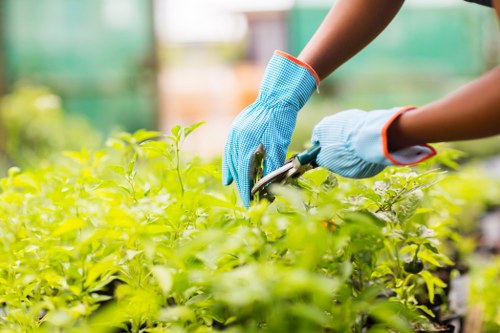
Tree lopping and removal in Highbury plays a major role in maintaining safe and appealing outdoor environments. Trees are valuable assets, but when they grow too close to buildings, block sunlight, or develop weak limbs, they can become a liability. Heavy branches may fall during strong winds, roots may interfere with paving, and dense canopies may reduce airflow around homes and gardens. Professional tree services help address these concerns before they become serious problems.
Another important reason to consider tree lopping and removal in Highbury is property value. Well-maintained landscapes usually create a strong first impression, while neglected trees can make a property appear untidy or unsafe. If you are preparing a home for sale, improving tenant appeal, or simply wanting your yard to look better, tree maintenance can significantly improve the visual balance of the space.
Local conditions also matter. In urban and suburban settings, trees may be exposed to compacted soil, limited root space, heat stress, and pruning scars from previous poor maintenance. That is why experienced professionals approach each tree individually, taking into account its species, age, condition, and location. In many cases, the best solution is not removal but carefully managed pruning. In other cases, full tree removal is the safest and most practical choice.
Common Reasons for Tree Lopping and Removal in Highbury

There are many situations where tree lopping and removal in Highbury becomes necessary. Some are urgent, while others are part of ongoing maintenance. Understanding the most common reasons can help property owners decide when to act.
1. Storm damage
Storms can split trunks, break branches, and destabilise root systems. After severe weather, damaged trees may look recoverable, but hidden structural weaknesses can create ongoing hazards. A professional assessment can determine whether the tree needs pruning, bracing, or complete removal.
2. Disease or decay
Fungal infections, borers, and internal rot can severely weaken a tree. Signs may include peeling bark, dead limbs, cavities, or unusual leaf drop. Infected trees can sometimes be saved with strategic pruning, but in other cases, tree removal in Highbury is the safest solution to prevent spread and collapse.
3. Overgrowth and shading
Large trees can outgrow their position, blocking natural light from windows, gardens, and lawns. Excessive canopy density may also restrict airflow and encourage damp conditions. Tree lopping can reduce bulk and restore balance, while still preserving the tree where possible.
4. Safety risks near structures
Branches overhanging roofs, driveways, sheds, or footpaths can pose a direct risk. Trees growing into power lines are especially dangerous and should only be handled by trained professionals with the correct equipment and safety procedures.
5. Root interference
Some trees develop aggressive root systems that disrupt paths, retaining walls, plumbing, and foundations. While lopping does not solve root problems, full removal may be necessary if the tree is causing ongoing structural damage.
What Tree Lopping Involves

Tree lopping in Highbury is often misunderstood. Some people assume it simply means cutting a tree back severely, but professional work is more precise than that. In modern arboriculture, the goal is generally to prune, shape, reduce risk, and preserve tree health whenever possible. The process may involve removing deadwood, reducing canopy spread, thinning dense foliage, and cutting back hazardous limbs.
A qualified arborist will first assess the tree’s condition and surrounding environment. They will look at the trunk, major branches, root zone, and overall structure. This assessment helps identify whether the tree can be maintained safely or whether removal is the better option. The approach should always be tailored to the tree, rather than using a one-size-fits-all method.
Professional tree lopping and removal in Highbury also includes safe site management. This means planning where cut branches will fall, protecting nearby surfaces, and using climbing, rigging, or mechanical access equipment where needed. For larger or more complex trees, the work may be carried out in sections to minimise risk and prevent damage.
When Tree Removal in Highbury Is the Best Choice
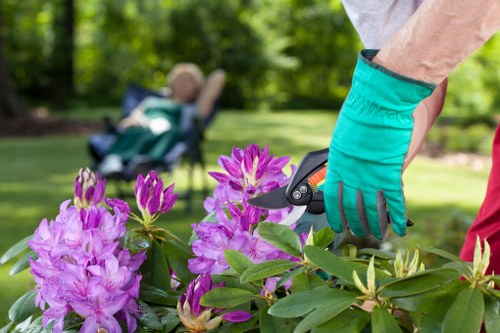
Although many trees can be saved with pruning and ongoing care, there are times when complete removal is the right decision. Tree removal in Highbury is usually recommended when a tree is too unstable, too diseased, or too poorly positioned to remain safely on the property. Removing a tree may seem like a big step, but it can prevent injuries, property damage, and expensive future repairs.
Tree removal is often necessary if the tree is dead or dying. A dead tree can become brittle and unpredictable, especially during wind or rain. Likewise, if a tree is leaning excessively, has a split trunk, or shows major root failure, it may no longer be structurally sound. In these cases, the risk of collapse often outweighs the benefit of keeping it.
Removal may also be the right choice if a tree is interfering with renovation plans, new construction, or major landscaping changes. In Highbury, where property layouts can be compact, space is valuable. Clearing the right tree can open up opportunities for better light, improved access, or the creation of a safer and more usable outdoor area.
It is also important to consider the future health of nearby plants. A diseased or pest-infested tree may threaten surrounding vegetation if it remains in place. Removing the source of the problem can help protect the rest of the landscape and prevent recurring issues.
Signs a tree may need removal
- Large sections of dead wood throughout the canopy
- Deep trunk cracks or splits
- Fungal growth at the base or on major branches
- Severe leaning or root lifting
- Repeated branch failure
- Visible internal hollowing or decay
- Damage after storms that affects stability
The Benefits of Professional Tree Lopping and Removal in Highbury

Hiring a professional for tree lopping and removal in Highbury offers more than convenience. It delivers safety, efficiency, and expertise that are difficult to achieve with DIY methods. Trees may look simple from the ground, but working on them requires skill, planning, and specialised equipment. Attempting to prune or remove large trees without proper knowledge can lead to injuries, property damage, and incomplete results.
One of the biggest benefits is safety. Professionals know how to manage risk, especially when working at height or near power lines, fences, and neighbouring buildings. They use helmets, harnesses, ropes, rigging systems, chainsaws, polesaws, chippers, and other equipment designed for controlled tree work. This dramatically reduces the chance of accidents.
Another advantage is tree health. Poor pruning techniques can stress a tree, leave it vulnerable to disease, or cause unsafe regrowth. Skilled arborists understand how to make clean cuts in the right places. When tree lopping in Highbury is carried out properly, the remaining tree is more likely to recover well and continue growing in a balanced way.
Professional services also save time and effort. Tree work can be physically demanding and messy, especially when large limbs and debris must be removed from the site. A proper service usually includes cleanup, branch disposal, and site tidying, leaving your property looking organised and ready to use.
What to Expect During the Process
When you arrange tree lopping and removal in Highbury, the process usually begins with an inspection. The arborist or tree specialist will assess the tree’s condition, location, and size, then recommend the most suitable approach. If the work is straightforward, a pruning plan may be created. If the tree is risky or severely compromised, removal may be advised instead.
Once the plan is agreed, the team will prepare the site. This can involve establishing safe access, identifying obstacles, and protecting sensitive surfaces such as lawns, paving, and garden beds. In more complex cases, traffic control or special equipment may be required. The actual work may include sectional dismantling, where branches and trunk portions are removed piece by piece to maintain control.
After the cutting is completed, debris is collected and removed. Many property owners also choose stump grinding so the remaining stump does not become a trip hazard or attract pests. This can also make the area easier to replant or redesign. If you are considering tree removal in Highbury, stump removal is often worth including in the overall plan.
Typical steps in professional tree work
- Initial inspection and hazard assessment
- Recommendation for pruning, lopping, or removal
- Preparation of the work area
- Controlled cutting or dismantling
- Removal of branches, logs, and debris
- Optional stump grinding or root management
- Final site cleanup and inspection
Tree Lopping, Pruning, and Removal: Understanding the Difference
Many people use the terms tree lopping, pruning, and removal interchangeably, but they are not exactly the same. Understanding the difference helps you request the right service and set realistic expectations.
Tree lopping
Tree lopping generally refers to reducing the size of a tree by cutting back branches and canopy sections. In a professional context, the aim is usually to manage size, shape, and risk without harming the tree. While the word “lopping” is still commonly used, modern arborists often prefer more precise terms such as pruning, crown reduction, or canopy thinning.
Tree pruning
Pruning focuses on selective removal of specific branches to improve tree structure, health, and appearance. It may include deadwood removal, thinning crowded areas, or lifting the canopy to create clearance. For many Highbury properties, pruning is the best long-term solution because it maintains beauty while improving safety.
Tree removal
Tree removal means taking the entire tree down, usually because it is unsafe, dead, diseased, unwanted, or obstructive. This is the most definitive solution and should be carried out only when needed. In some cases, it is the only practical way to protect a property or allow new development.
Knowing which service you need is important. A reputable provider of tree lopping and removal in Highbury will explain the difference and recommend the most appropriate option based on the tree’s actual condition rather than simply offering the most drastic solution.
Choosing the Right Tree Service Provider in Highbury
Not all tree services are the same, so it is worth taking time to choose carefully. The right provider should have experience with urban tree work, local conditions, and safe work practices. Since tree lopping and removal in Highbury often involves working close to homes and other structures, professionalism is essential.
Look for a team that understands arboricultural principles, carries appropriate insurance, and uses proper equipment. It is also helpful if they can explain why a tree needs trimming or removal, rather than offering vague advice. Clear communication is a strong sign that the team knows what they are doing.
You should also consider cleanup standards, scheduling, and the ability to manage different types of work. Some trees require careful climbing and rigging, while others may need machinery access. A capable provider should be able to handle everything from small pruning jobs to large-scale tree removal in Highbury with confidence and care.
Questions to ask before booking
- Do you have experience with tree lopping and removal in Highbury?
- Are you insured for tree work and property protection?
- Will you provide a clear assessment before starting?
- Do you include debris removal and site cleanup?
- Can you handle stump grinding if needed?
Why professionalism matters
Tree work is not just a cosmetic service. It affects safety, property function, and long-term landscape health. Choosing a professional team helps ensure the job is completed correctly the first time, with minimal disruption and better results for your property.
Seasonal Considerations for Tree Lopping in Highbury
Timing can influence the success of tree lopping in Highbury. Different species respond differently to pruning, and weather conditions can affect how quickly a tree recovers. In some cases, winter is ideal because the tree is dormant and branch structure is easier to see. In other situations, minor pruning may be possible at other times of the year if there is an urgent safety concern.
After storms or during periods of high wind, inspections become especially important. Broken limbs may not always fall immediately, and damage may not be visible from the ground. If you notice sudden leaning, cracked branches, or debris in the canopy, it is wise to arrange an assessment promptly. Early action can reduce the need for emergency tree removal in Highbury.
Dry seasons and heatwaves can also affect tree stress levels. Trees already under pressure from lack of water may struggle with heavy pruning, so a balanced approach is essential. Professional advice can help you choose the right timing and avoid unnecessary strain on the tree.
How Tree Lopping and Removal Improves Property Function
Beyond safety and appearance, tree lopping and removal in Highbury can improve how your property is used every day. More light can reach living spaces and gardens, making outdoor areas feel brighter and more inviting. Improved airflow can reduce dampness and support healthier lawns and plant beds. In some cases, opening up the canopy can even improve the growth of smaller ornamental plants below.
Removing the right tree may also improve access for vehicles, tradespeople, or landscape redesign projects. If a tree is crowding a driveway or blocking a path, careful pruning or removal can make the space more practical. For commercial properties, this can also improve customer access and reduce liability risks.
When done well, tree work can transform an outdoor area without stripping away its character. The goal is not simply to cut things back, but to create a safer, more balanced environment that works better for the property and the people using it.
Responsible Tree Care in a Growing Community
Tree lopping and removal in Highbury should always be approached responsibly. Trees contribute to shade, wildlife habitat, privacy, and neighbourhood character, so preserving them where possible is important. Good tree care means balancing environmental value with real-world safety and property needs. That balance is best achieved through informed decisions and proper workmanship.
In many situations, a tree does not need to come down completely. Selective pruning may improve structure, reduce wind resistance, and prolong the tree’s life. However, when removal is the safest option, acting early can prevent bigger problems later. The key is to make decisions based on expert assessment rather than guesswork.
If you are dealing with an overgrown, damaged, or hazardous tree, do not wait for the problem to escalate. Contact us today to discuss the best solution for your property, or book your service now if you need prompt, professional tree lopping and removal in Highbury.
Final Thoughts on Tree Lopping and Removal in Highbury
Tree lopping and removal in Highbury is about much more than cutting branches. It is a practical service that supports safety, enhances property value, and helps maintain attractive outdoor spaces. Whether your tree needs careful pruning, structural reduction, deadwood removal, or complete dismantling, the right professional support makes all the difference.
From storm recovery to long-term maintenance, tree services can solve many common issues faced by Highbury property owners. By choosing experienced specialists, you can protect your home, improve your landscape, and ensure your trees are managed in a way that is both efficient and responsible. If your trees are becoming difficult to manage, now is the right time to take action and arrange expert tree lopping and removal in Highbury.

