Flower Bed Creation in Highbury: Stylish, Practical, and Built for Local Gardens
Flower bed creation in Highbury is one of the most effective ways to transform an ordinary outdoor space into something vibrant, inviting, and full of seasonal character. Whether you live in a compact terraced home, a larger family property, or a modern apartment with a communal garden, well-planned flower beds can bring structure, colour, and year-round appeal. In an area like Highbury, where outdoor spaces often balance charm with limited square footage, thoughtful flower bed design makes a real difference.
A successful flower bed creation project in Highbury is not just about choosing attractive plants. It is about understanding the soil, light levels, available space, drainage, and how the garden will be used throughout the year. The best results come from combining practical preparation with creative planting choices. When done properly, flower bed creation can increase kerb appeal, support biodiversity, and create an outdoor setting that feels peaceful and polished.
For homeowners and property managers alike, flower bed creation in Highbury offers a chance to create a garden that reflects personal style while also fitting the local environment. From neat front garden borders to more relaxed rear garden planting schemes, there are many ways to shape beds that suit Highbury’s urban landscape. With the right planning, flower bed creation can be both beautiful and long-lasting.
Why Flower Bed Creation Matters in Highbury
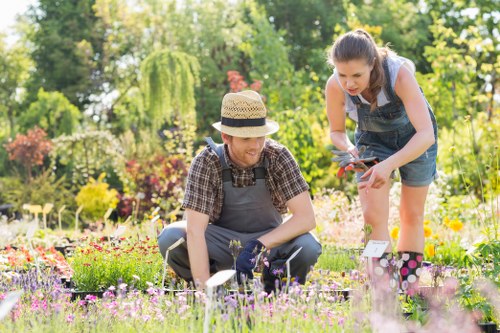
Flower bed creation in Highbury is important because it helps outdoor spaces feel intentional rather than accidental. A bare lawn or paved yard can look unfinished, while a carefully designed flower bed introduces movement, texture, and seasonal interest. Even a small bed can change the atmosphere of a garden by softening hard edges and drawing attention to focal points such as entrances, pathways, and seating areas.
In urban neighbourhoods, gardens often need to do more with less. This is especially true in Highbury, where many outdoor spaces are compact and surrounded by walls, fences, or neighbouring buildings. A well-executed flower bed creation plan uses these conditions to its advantage by selecting plants and layouts that suit the setting. Instead of trying to imitate a large countryside garden, the best approach is to work with the scale and character of the property.
Flower bed creation in Highbury also supports local wildlife. Pollinator-friendly planting attracts bees, butterflies, and other beneficial insects, helping the garden feel alive throughout the growing season. Native or climate-suitable plants can improve resilience, reduce maintenance, and make the garden more sustainable over time.
Planning a Flower Bed Creation Project in Highbury
The planning stage is where successful flower bed creation begins. Before any digging starts, it is essential to assess the space carefully. This includes checking sunlight, shade, soil condition, drainage, and how much room is available for planting. A small but well-planned bed can often be more effective than a larger, poorly thought-out one. Good planning saves time, reduces future maintenance, and improves the final result.
When planning flower bed creation in Highbury, think about the purpose of the space. Is the bed meant to frame a front entrance, create privacy, add colour near a patio, or soften a fence line? The purpose will influence plant selection, bed shape, and overall styling. A formal front bed might benefit from crisp edging and structured planting, while a rear garden bed could be looser and more naturalistic.
It is also useful to consider the property’s architecture. Highbury homes often feature elegant period details, contemporary extensions, or a mix of both. A flower bed should complement these features rather than compete with them. For example, a townhouse with classic brickwork may suit layered perennial planting, while a modern home may look best with bold shapes and repeated planting blocks.
Key questions to ask before starting
- How much sunlight does the area receive each day?
- Is the soil free draining or prone to waterlogging?
- Do you want low-maintenance planting or a more decorative display?
- Should the bed provide privacy, colour, structure, or wildlife value?
- How much time can you realistically give to upkeep?
Preparing the Ground for Flower Bed Creation
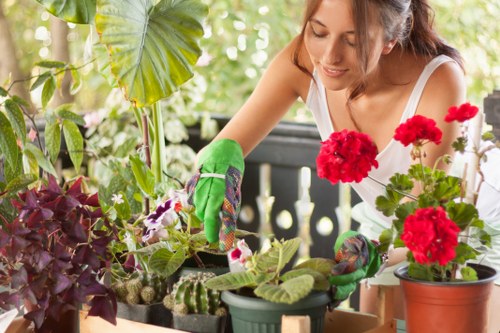
Preparation is a major part of flower bed creation in Highbury because the quality of the soil directly affects plant health. Many urban gardens have compacted ground, rubble from old building work, or soil that needs rejuvenation. Before planting, the area should be cleared of weeds, roots, stones, and debris. This creates a clean base for shaping the bed properly.
Soil improvement is often necessary. Adding compost, organic matter, or specialist soil conditioners can make a significant difference to fertility and drainage. In some Highbury gardens, raised beds or mounded planting areas may be useful where drainage is poor or existing soil is shallow. Healthy soil is the foundation of successful flower bed creation.
Edging is another important detail. Defined borders help the bed look neat and make maintenance easier. Materials such as brick, timber, stone, or metal edging can be used depending on the style of the property. In Highbury, where design often combines practicality with elegance, tidy edging gives flower beds a polished finish.
Useful preparation steps
- Remove weeds thoroughly, including roots.
- Test the soil if needed to understand pH and nutrient levels.
- Improve the ground with compost or other organic matter.
- Shape the bed to suit the garden layout and drainage.
- Add edging to define the space clearly.
Choosing Plants for Flower Bed Creation in Highbury
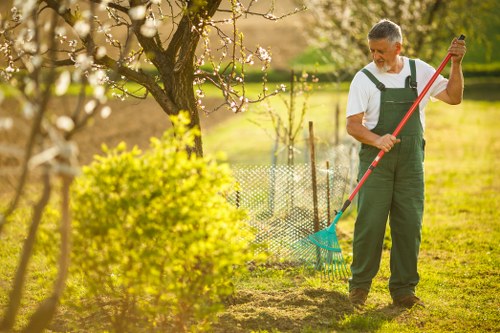
Plant choice is at the heart of flower bed creation in Highbury. The right plants will depend on the amount of light, the seasonality you want, and the overall maintenance level you prefer. For a long-lasting and attractive display, it is wise to combine a mix of perennials, shrubs, bulbs, and annuals. This layered approach ensures the bed has interest throughout the year.
For sunny flower beds, popular options may include salvia, lavender, echinacea, coreopsis, and ornamental grasses. These plants thrive in bright conditions and create movement and texture. In shadier parts of Highbury gardens, planting may include hellebores, hydrangeas, ferns, foxgloves, and hostas. Choosing plants suited to the conditions makes flower bed creation easier to maintain and more successful in the long term.
Colour palette is another important design element. Some homeowners prefer soft, romantic planting with pinks, purples, whites, and silvery foliage. Others want bold combinations of reds, oranges, and deep blues. A controlled palette can make a flower bed feel elegant, while a more varied scheme can feel lively and informal. The best flower bed creation in Highbury usually balances beauty with practicality.
Planting ideas for different garden styles
- Formal gardens: box-style structure, repeating perennials, clipped shrubs.
- Contemporary gardens: strong shapes, grasses, architectural plants, and limited colours.
- Cottage-style spaces: dense flowering plants, seasonal variety, and a relaxed layout.
- Low-maintenance beds: drought-tolerant perennials, mulch, and evergreen structure.
Design Approaches That Work Well for Highbury Gardens
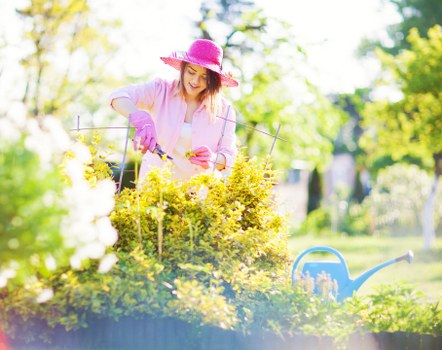
Flower bed creation in Highbury can follow many design styles, but the most successful approaches usually fit the scale and atmosphere of the property. Small gardens benefit from clean lines and layered planting that does not feel crowded. Larger gardens can support more dramatic shapes, curved borders, or multiple beds that divide the space into zones.
One effective approach is to use repetition. Repeating certain plants, colours, or forms helps the garden feel cohesive. For example, a series of purple salvia plants or clipped shrubs along a border can tie the whole space together. Another technique is to create contrast by placing soft, airy plants next to stronger structural elements like evergreens or garden walls. These design choices help the flower bed feel intentional and balanced.
In many Highbury properties, vertical space matters as much as horizontal space. Taller plants can be placed at the back of beds, while low-growing varieties should sit near paths or seating areas. This layered arrangement ensures good visibility and creates depth. It also allows the flower bed to look full without becoming cramped.
Practical design tips
- Use odd-numbered plant groupings for a natural look.
- Mix textures to add interest, such as glossy leaves with soft blooms.
- Keep taller plants at the rear or centre of island beds.
- Leave room for growth so the bed does not become overcrowded.
- Plan for seasonal changes so there is always something attractive in bloom.
Seasonal Flower Bed Creation for Year-Round Interest
One of the strengths of flower bed creation in Highbury is the ability to plan for all seasons. A bed that looks attractive in spring but empty by autumn does not make the best use of the space. By selecting plants with different flowering times, evergreen structure, and attractive foliage, the garden can remain interesting through the year.
Spring beds can feature tulips, daffodils, primroses, and early perennials. Summer planting may bring in roses, lavender, daisies, and colourful annuals. Autumn beds can still shine with asters, sedum, ornamental grasses, and late bloomers. In winter, evergreens, bark texture, and seed heads can provide structure even when flowering is limited. Year-round flower bed creation is especially valuable in Highbury, where gardens are often viewed from indoors as well as outside.
It is also wise to think about the transition between seasons. Plants that fade badly after flowering can create gaps, so pairing them with later-blooming or evergreen companions helps maintain continuity. A bed designed with seasonal flow will always feel more complete and cared for.
Low-Maintenance Flower Bed Creation Options
Many residents looking into flower bed creation in Highbury want attractive results without intensive upkeep. Fortunately, low-maintenance planting is possible without sacrificing visual appeal. The key is choosing resilient plants, improving the soil, and using mulch to help retain moisture and suppress weeds.
Drought-tolerant perennials, evergreen shrubs, and self-seeding plants can reduce the amount of work required across the year. Mulching with bark, compost, or gravel can also help the bed look tidy while supporting healthy growth. In smaller Highbury gardens, low-maintenance design is especially useful because it keeps the space manageable and avoids clutter. A smart planting scheme should look good without demanding constant attention.
For busy households, simple flower bed creation can still deliver plenty of impact. Structured planting with a few repeated species often works better than a highly complex mix. Once established, these beds can be maintained with seasonal pruning, occasional feeding, and regular but not excessive watering.
Low-maintenance plant choices
- Lavender
- Heuchera
- Geranium macrorrhizum
- Euonymus
- Hebe
- Sedum
- Ornamental grasses
Common Challenges in Flower Bed Creation in Highbury
Although flower bed creation in Highbury can be highly rewarding, local gardens may present some specific challenges. Limited space is one of the most common issues. Narrow side passages, small front gardens, and compact rear spaces all require careful planning. The solution is usually to keep the design focused and avoid overcrowding the bed with too many species.
Shade is another frequent challenge. In built-up areas, neighbouring homes and boundary walls can significantly reduce sunlight. Shade-tolerant planting is essential in these situations. Equally important is understanding drainage, since some urban plots hold water after rain while others dry out quickly. Matching the planting scheme to the actual conditions is more important than following trends.
Weed pressure can also be a problem, particularly in older gardens or previously neglected spaces. Proper ground preparation, mulch, and consistent upkeep are the best defenses. With good planning and the right materials, even a difficult site can become a thriving flower bed.
Typical issues and solutions
- Problem: Poor soil quality. Solution: Add compost and organic matter regularly.
- Problem: Too much shade. Solution: Choose shade-loving plants and improve light where possible.
- Problem: Narrow space. Solution: Use layered planting and vertical interest.
- Problem: Persistent weeds. Solution: Clear thoroughly and use mulch.
Enhancing Kerb Appeal with Flower Bed Creation
Flower bed creation in Highbury can have a noticeable impact on kerb appeal, especially in front gardens and entrance areas. A neat, colourful bed immediately makes a property feel more welcoming. It signals care, attention, and pride in the home. For homeowners considering property presentation, this is a highly effective improvement.
Front flower beds should usually be designed for clarity and impact. Strong edging, tidy planting, and a limited but attractive palette can make the garden look elegant from the street. Tall plants should not block windows or pathways, and the planting should remain balanced throughout the year. A well-shaped front bed can make a lasting first impression.
For rental properties or homes being prepared for sale, flower bed creation is a cost-effective way to improve visual appeal. Buyers and visitors often notice outdoor spaces quickly, and a neat, inviting bed can make the entire property appear better maintained.
How Flower Bed Creation Supports Wildlife and Sustainability
Modern flower bed creation in Highbury is often shaped by sustainability goals. Many people now want gardens that look beautiful while also supporting local ecosystems. Choosing nectar-rich flowers, pollinator-friendly plants, and a variety of flowering times can help bees and butterflies thrive. This creates a more dynamic garden and contributes to urban biodiversity.
Sustainable flower bed creation also includes practical choices such as reducing chemical use, conserving water, and selecting plants that suit the local climate. Native plants and well-adapted ornamentals usually require less intervention once established. Composting, mulching, and reusing organic material can further improve the environmental performance of the garden. Sustainable flower bed creation in Highbury is both responsible and rewarding.
Where possible, mixed planting is better than relying on a single species. Diversity supports resilience and creates a richer habitat for insects and birds. It also makes the garden more interesting to look at and more resilient to seasonal change.
Eco-friendly practices to consider
- Use peat-free compost where possible.
- Choose pollinator-friendly blooms.
- Mulch to retain moisture and reduce weeds.
- Collect rainwater for watering.
- Prefer robust plants that suit local conditions.
Maintaining a Newly Created Flower Bed in Highbury
After flower bed creation is complete, maintenance keeps the bed looking fresh and healthy. In the first few months, new plants will need regular watering until their roots establish properly. Weed control is especially important early on, because unwanted plants compete with young flowers for space and nutrients.
As the bed matures, maintenance usually becomes simpler. Deadheading spent flowers can encourage further blooming, while pruning and dividing overcrowded perennials help the bed stay neat. Feeding may be needed depending on the soil type and plant selection. With thoughtful care, flower bed creation in Highbury can continue to improve year after year.
Seasonal tasks should be planned in advance. Spring is a good time for refreshing mulch and planting new additions, summer is about watering and checking growth, autumn is useful for tidying and preparing for winter, and winter can be used for structural pruning and planning changes. Consistent maintenance protects the value of the original investment.
Why Professional Flower Bed Creation Can Be Worth It
While some homeowners enjoy handling planting projects themselves, professional flower bed creation in Highbury can offer significant advantages. Skilled garden specialists understand local soil conditions, plant compatibility, and design principles. They can create a bed that looks attractive immediately and continues to develop well over time.
A professional approach is especially useful when the site has drainage problems, awkward dimensions, heavy shade, or an unclear layout. Experts can recommend the most suitable materials, soil improvements, and planting combinations for the property. They can also help avoid costly mistakes such as overcrowding, poor placement, or choosing plants that will not thrive. For many households, professional flower bed creation provides peace of mind and better long-term results.
Whether the project is a simple border refresh or a full garden transformation, expert support can make the process smoother and more efficient. It also helps ensure the final result suits the style of the home and the practical needs of the household.
Final Thoughts on Flower Bed Creation in Highbury
Flower bed creation in Highbury is a valuable way to improve gardens of all sizes. It adds colour, structure, and seasonal interest while also supporting wildlife and enhancing outdoor living. With careful planning, healthy soil, the right plants, and regular maintenance, even a modest space can become a beautiful feature that feels welcoming all year round.
From front garden kerb appeal to private rear garden retreats, flower bed creation can be tailored to suit different goals and property styles. The most successful designs are those that match the local conditions, reflect the character of the home, and remain practical to care for. Whether you want a low-maintenance border, a lush perennial display, or a neat and elegant planting scheme, Highbury offers plenty of possibilities.
If you are ready to improve your outdoor space, now is the perfect time to plan your flower bed creation project. Contact us today to discuss your ideas, or book your service now to start turning your Highbury garden into a space that feels truly complete.

